Series
Almanac
Practical timekeeping: the panchang and its conventions, taught warmly and without dread. The series that makes readers harder to frighten. Written by Priya Sharma.
 almanac
The five limbs of a day
Five counters run through a single day, each on its own clock. What each limb measures, and which two of the five your household already lives by.
almanac
The five limbs of a day
Five counters run through a single day, each on its own clock. What each limb measures, and which two of the five your household already lives by.
 almanac
Solar months, and the twelve sankrantis
Six states begin a month when the sun changes sign. Twelve crossings a year, four rules for which morning the month opens, and one day with six names.
almanac
Solar months, and the twelve sankrantis
Six states begin a month when the sun changes sign. Twelve crossings a year, four rules for which morning the month opens, and one day with six names.
 almanac
The weekday, and where seven came from
The one line of the panchang nobody has to look up is also the youngest line on it. Where the seven came from, and how the order of the days is made.
almanac
The weekday, and where seven came from
The one line of the panchang nobody has to look up is also the youngest line on it. Where the seven came from, and how the order of the days is made.
 almanac
Rahu kaal, without the fear
An eighth of the daylight, chosen by weekday. The arithmetic is the reassuring part.
almanac
Rahu kaal, without the fear
An eighth of the daylight, chosen by weekday. The arithmetic is the reassuring part.
 almanac
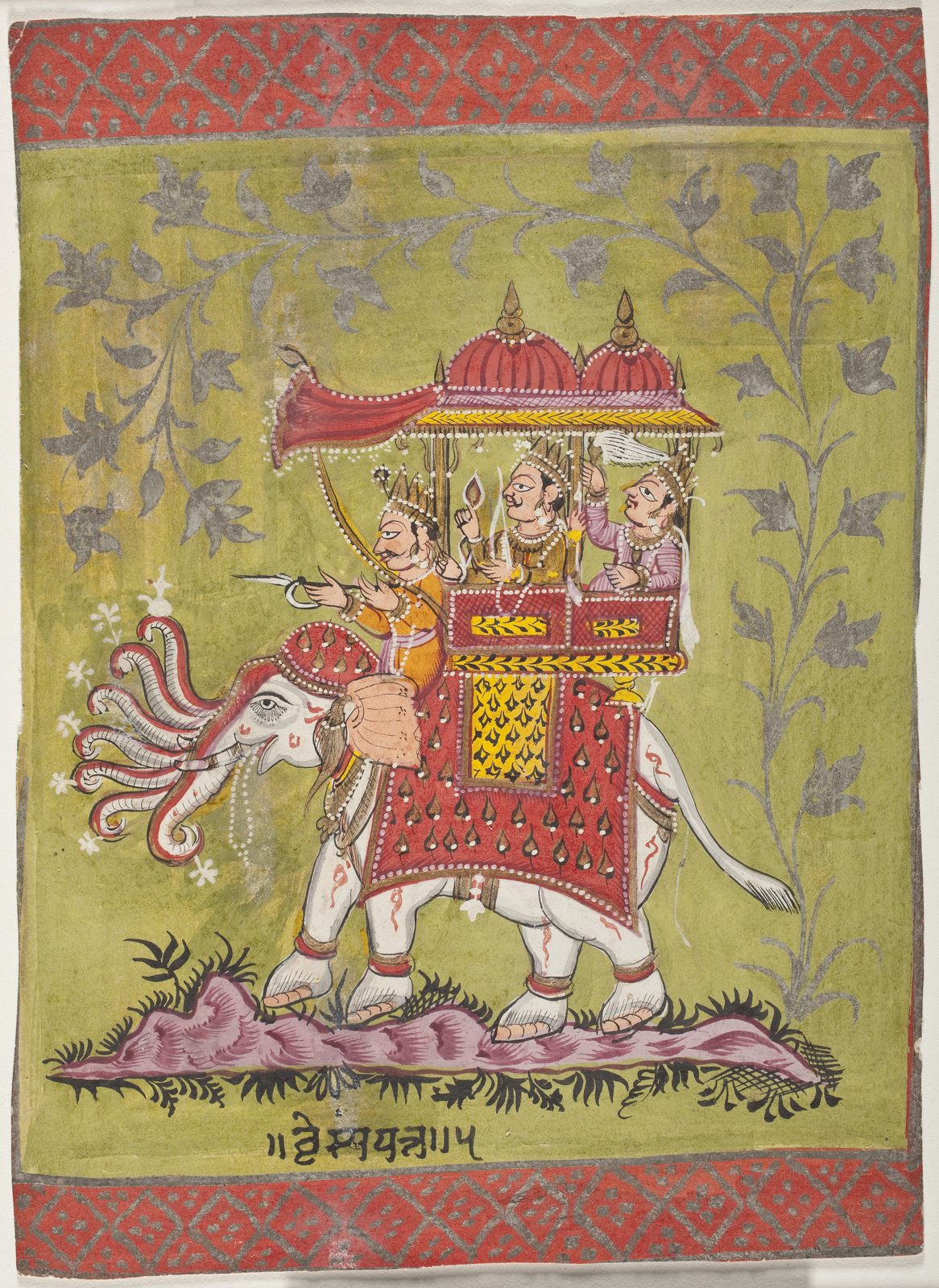
The sixty-year wheel
This year is Parabhava. Where the sixty year-names come from, why one northern sheet prints two of them at once, and the sum that finds your own.
almanac
The sixty-year wheel
This year is Parabhava. Where the sixty year-names come from, why one northern sheet prints two of them at once, and the sum that finds your own.
 almanac
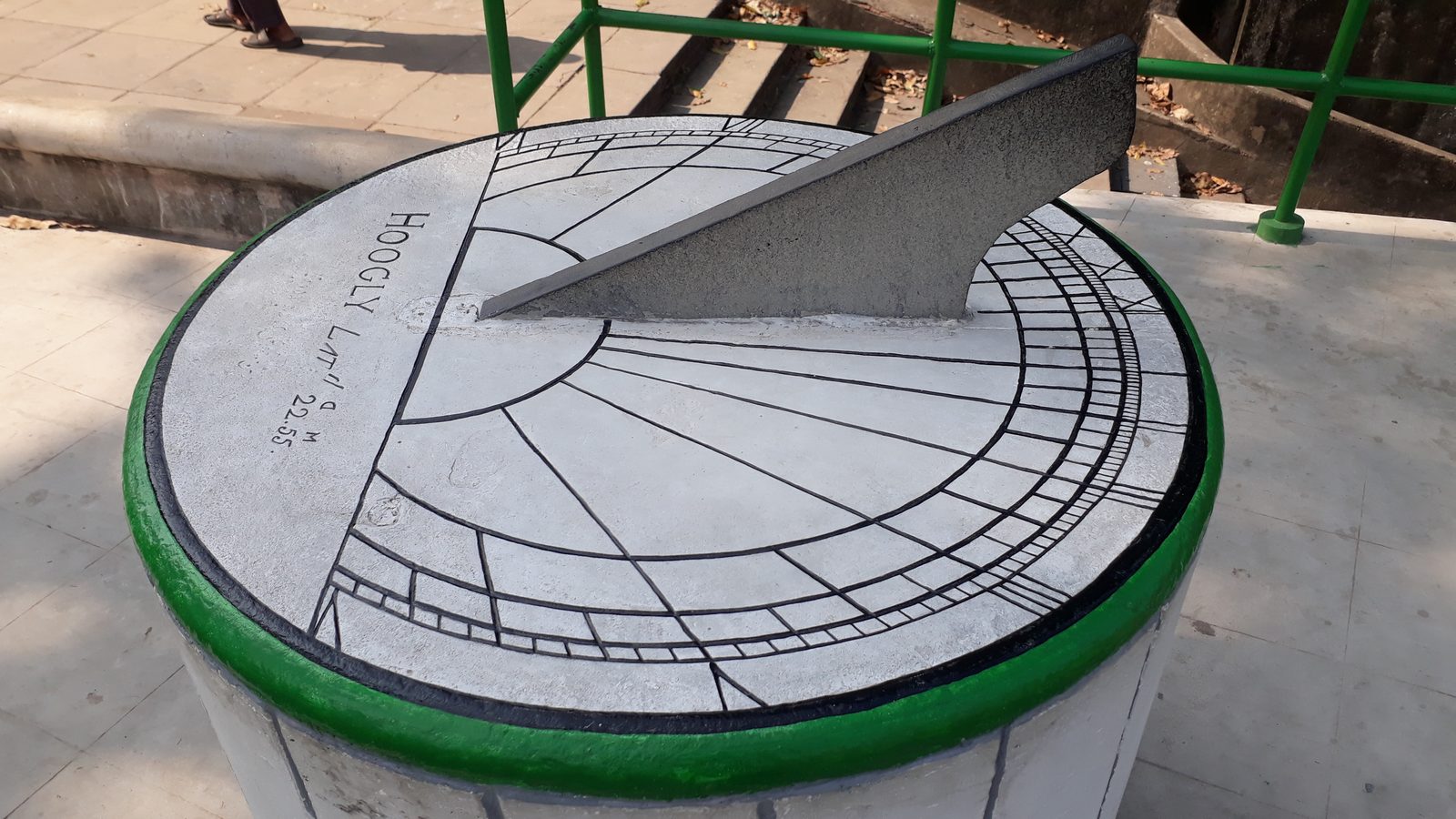
Abhijit, the window at noon
The midday window is a division sum: daylight cut into 15, and the middle share taken. Where it falls, what it is for, and why noon is often outside it.
almanac
Abhijit, the window at noon
The midday window is a division sum: daylight cut into 15, and the middle share taken. Where it falls, what it is for, and why noon is often outside it.
 almanac
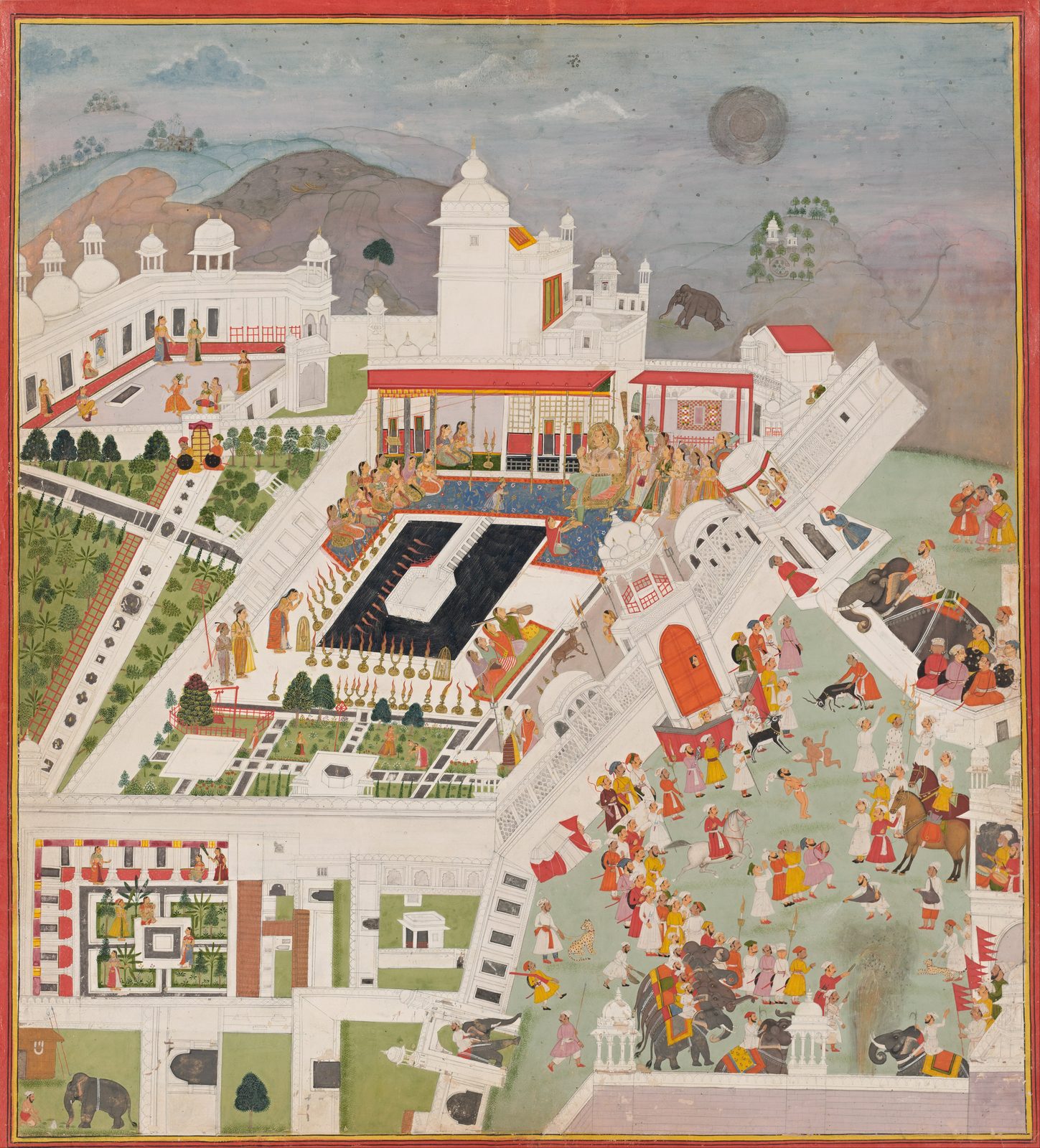
Five days of Diwali, and their tithi anchors
Five festivals sit on five lunar days in an unbroken run, yet each is decided at a different hour, so the five names land on four dates or six.
almanac
Five days of Diwali, and their tithi anchors
Five festivals sit on five lunar days in an unbroken run, yet each is decided at a different hour, so the five names land on four dates or six.
 almanac
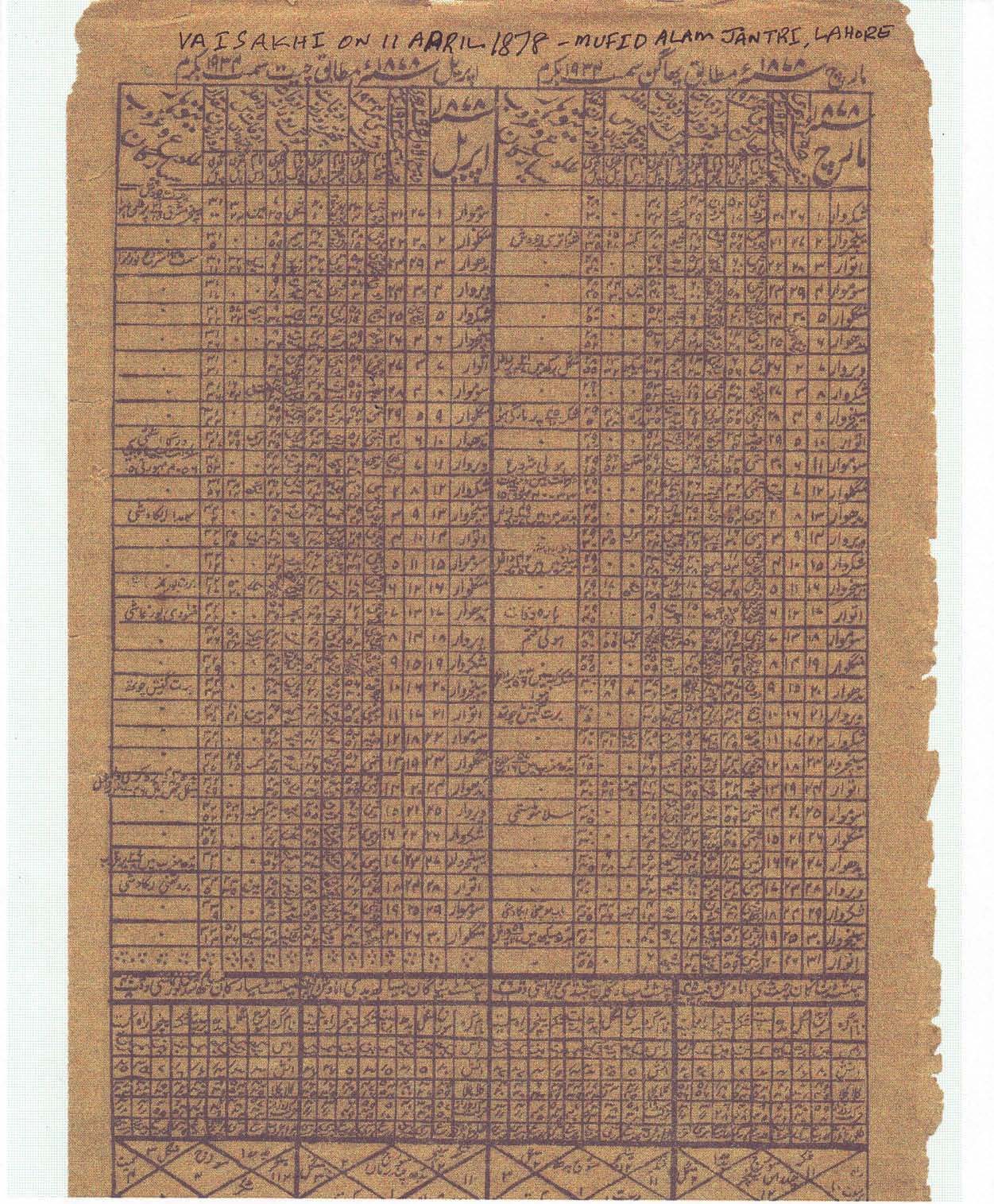
Building a year planner from a panchang
A year of a family's dates fits on one sheet of paper. What to take off the almanac, in what order, what to check, and what to leave in the book.
almanac
Building a year planner from a panchang
A year of a family's dates fits on one sheet of paper. What to take off the almanac, in what order, what to check, and what to leave in the book.
 almanac
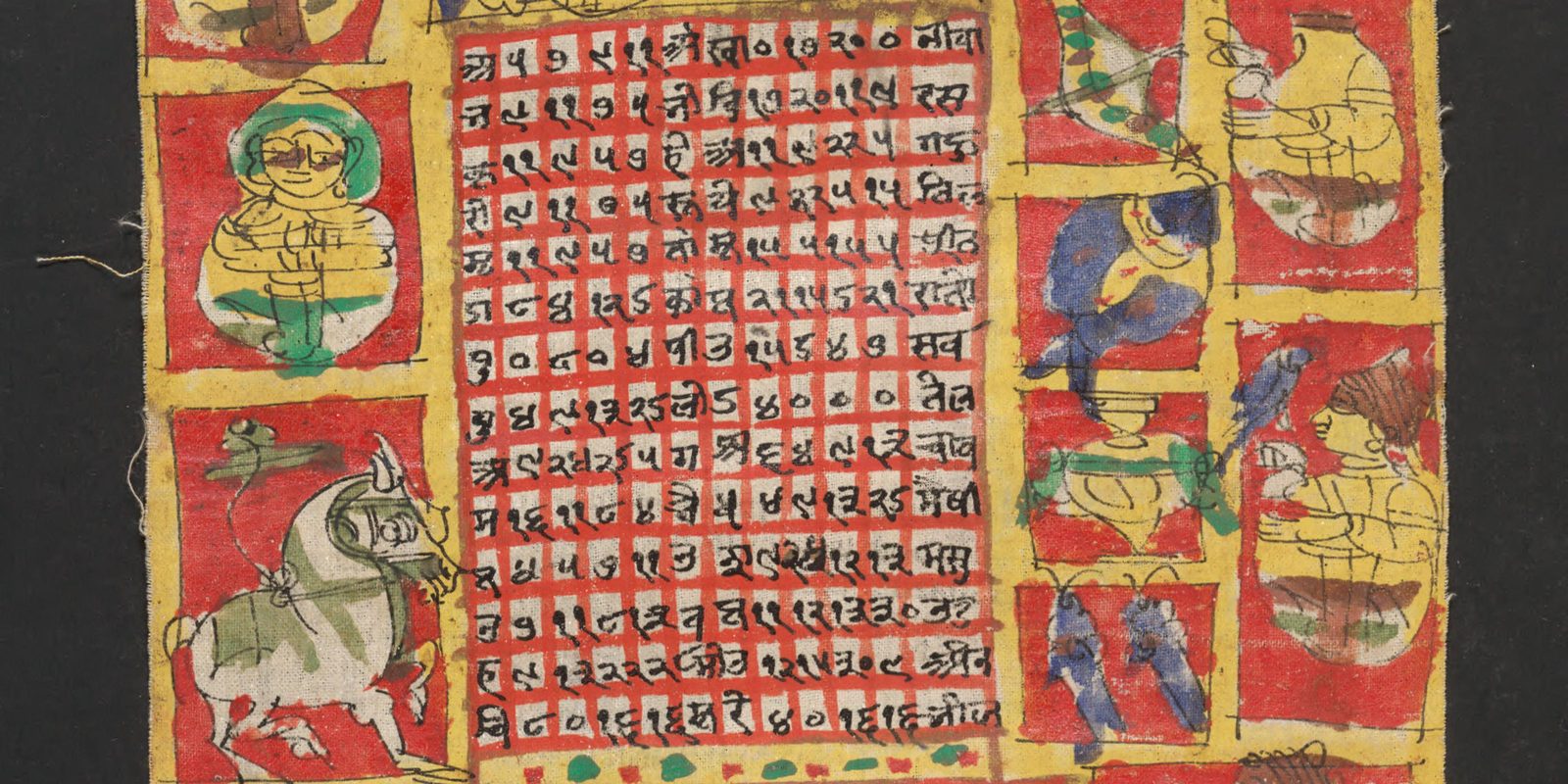
How to read a panchang
A panchang's day does not begin at midnight. Once you know where it does begin, the rest of that wall of small print comes loose.
almanac
How to read a panchang
A panchang's day does not begin at midnight. Once you know where it does begin, the rest of that wall of small print comes loose.
 almanac
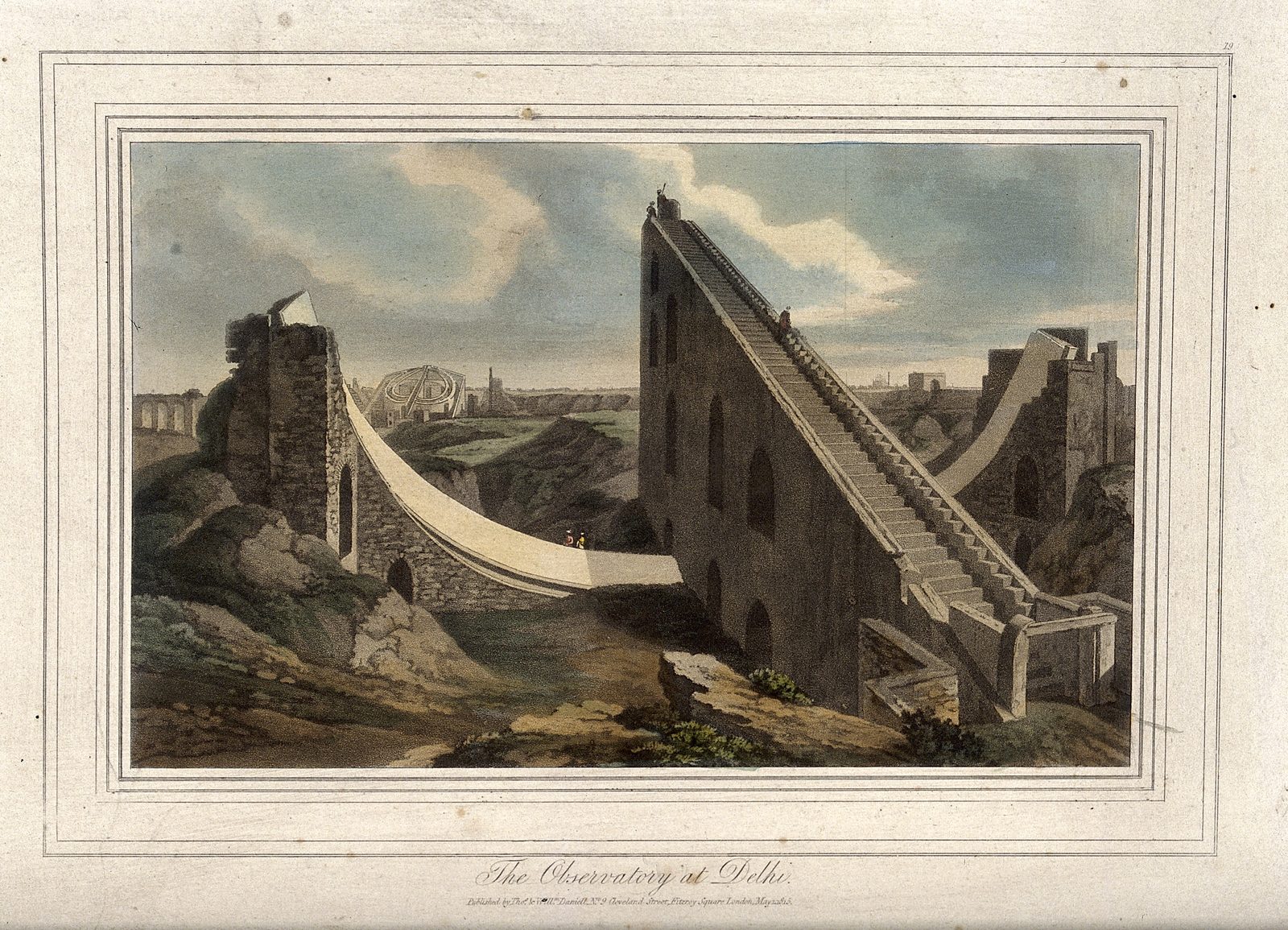
The table you have never used
A stick as long as your hand-span, a shadow measured in your own fingers, and the oldest way an almanac ever told the time. One morning's demonstration.
almanac
The table you have never used
A stick as long as your hand-span, a shadow measured in your own fingers, and the oldest way an almanac ever told the time. One morning's demonstration.
 almanac
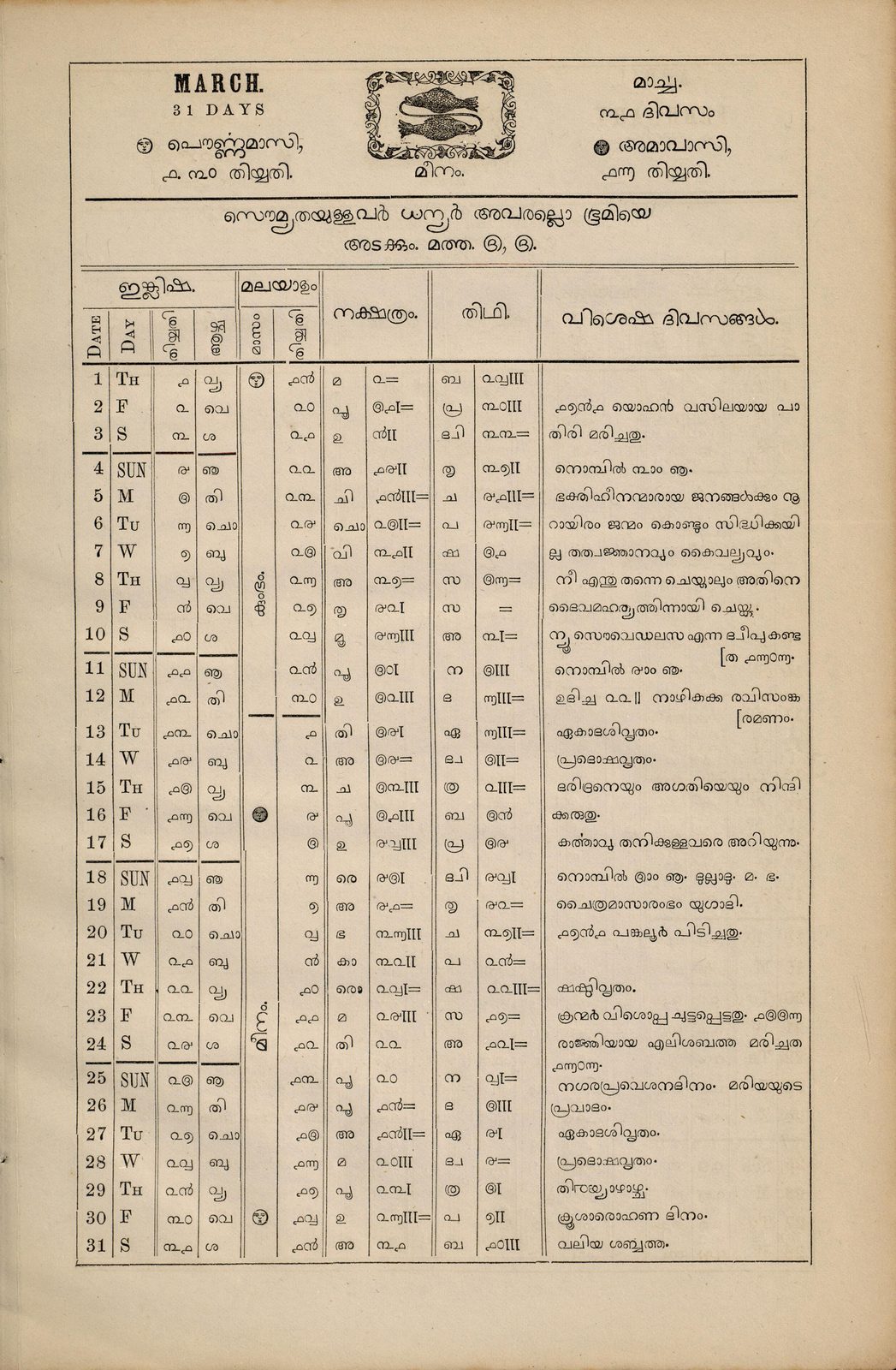
Why two panchangs disagree
Two sheets, two festival dates, one family argument. The four honest reasons panchangs differ, and why the disagreement is bookkeeping, not blasphemy.
almanac
Why two panchangs disagree
Two sheets, two festival dates, one family argument. The four honest reasons panchangs differ, and why the disagreement is bookkeeping, not blasphemy.
 almanac
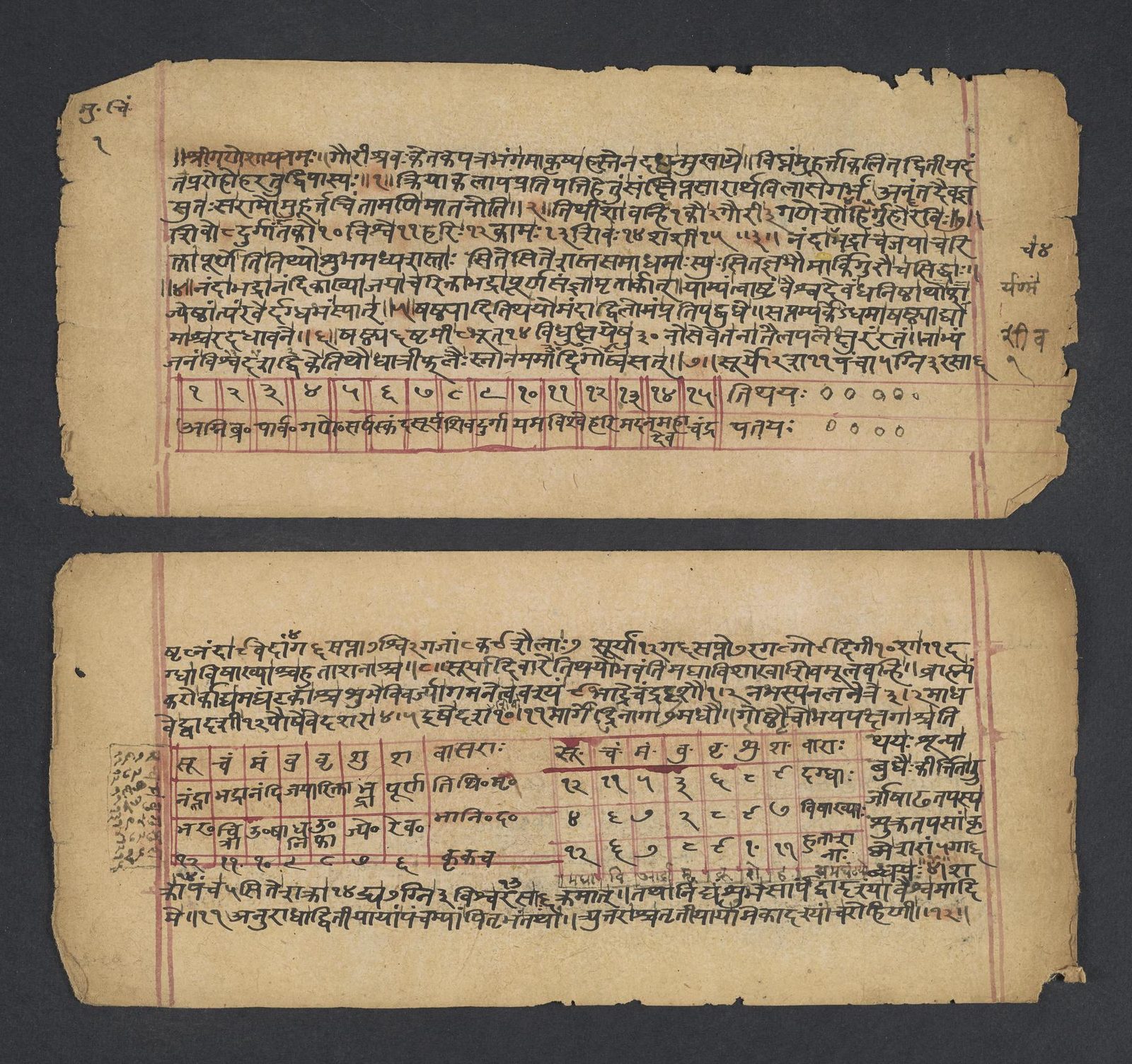
Reading a muhurta table without panic
A muhurta page holds three kinds of entry in one grid: things measured, things divided, things looked up. Which is which, and what to check.
almanac
Reading a muhurta table without panic
A muhurta page holds three kinds of entry in one grid: things measured, things divided, things looked up. Which is which, and what to check.
 almanac
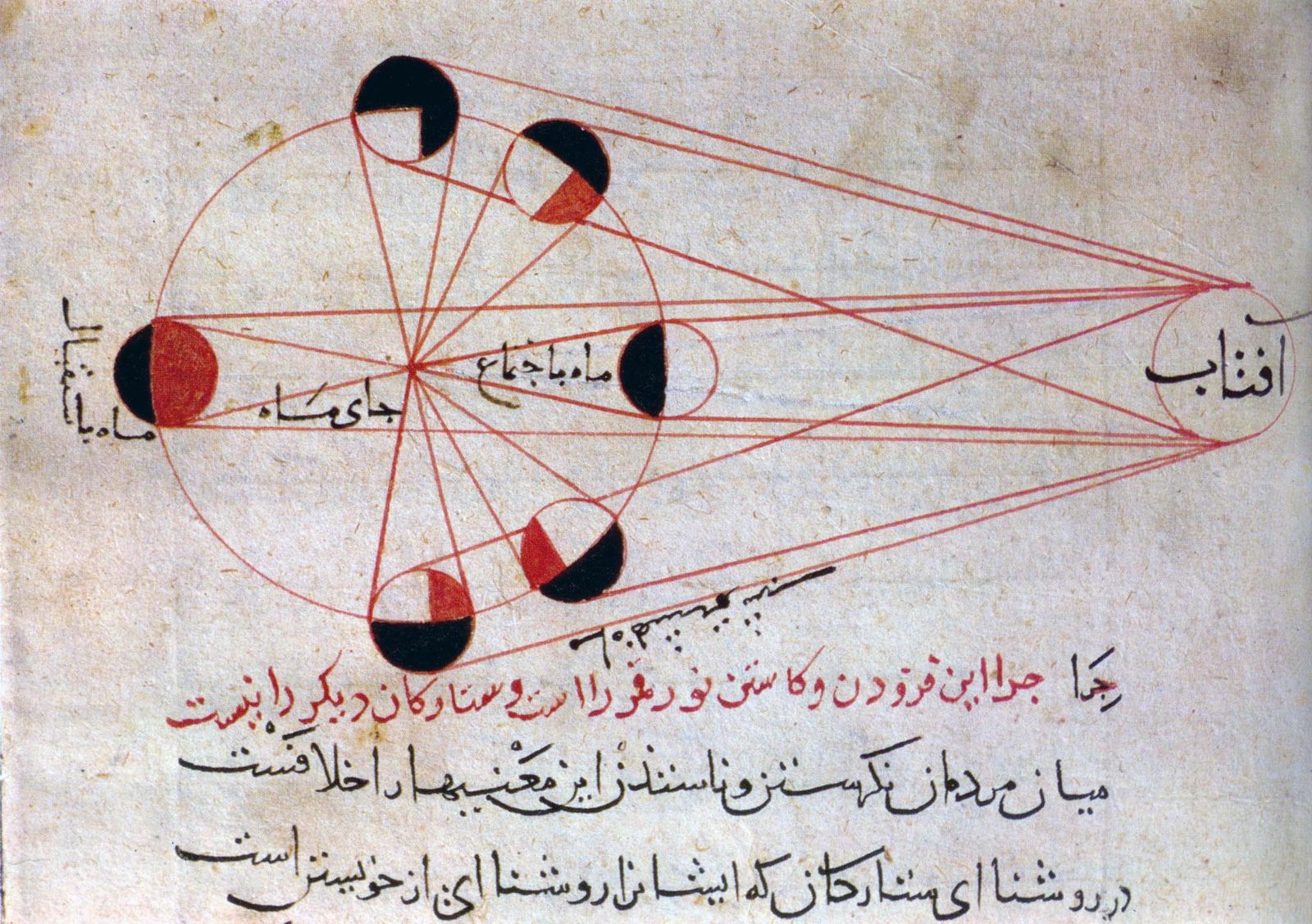
Amanta and purnimanta
One night, two month names. Where each reckoning closes its month, which regions count which way, and why neither sheet is wrong.
almanac
Amanta and purnimanta
One night, two month names. Where each reckoning closes its month, which regions count which way, and why neither sheet is wrong.
 almanac
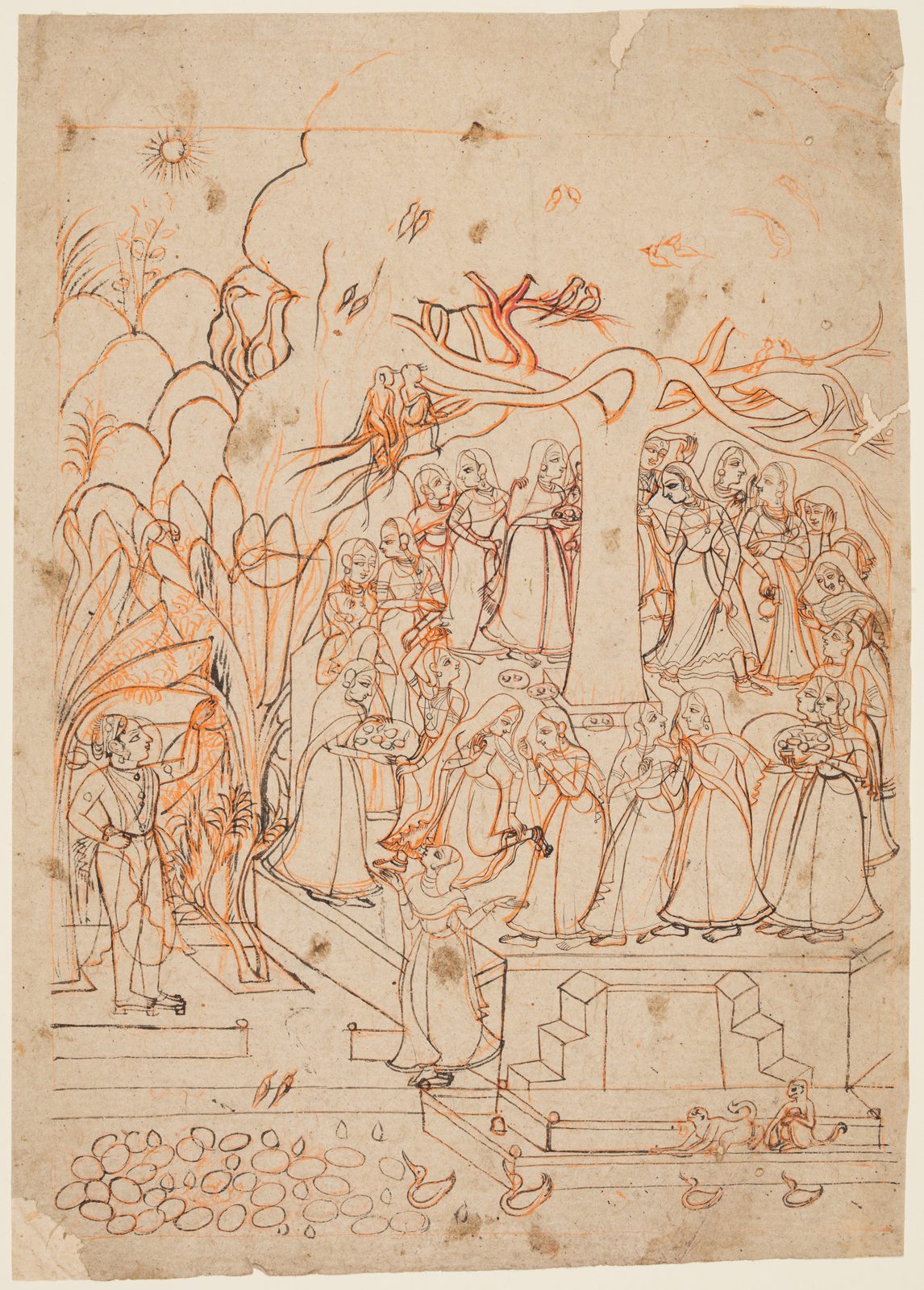
The twelve months and the stars they are named for
Every month name your family uses belongs to a star first. The rule behind all twelve, checked against two real full moons in one year.
almanac
The twelve months and the stars they are named for
Every month name your family uses belongs to a star first. The rule behind all twelve, checked against two real full moons in one year.
 almanac
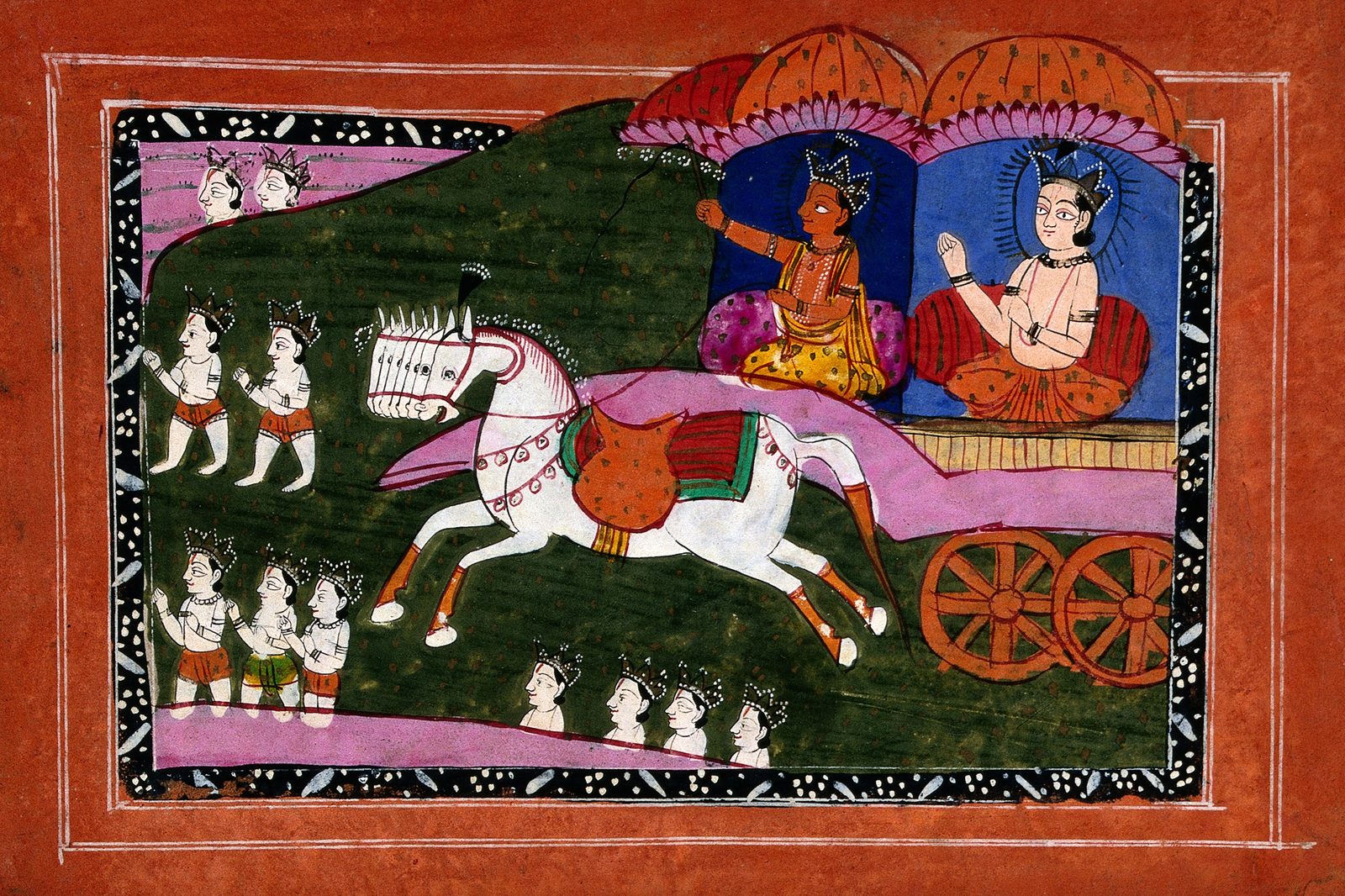
Which day is your fast, actually
A lunar day will not sit inside a calendar date, so one rule decides which date carries its name. The whole rule is a single minute: your own sunrise.
almanac
Which day is your fast, actually
A lunar day will not sit inside a calendar date, so one rule decides which date carries its name. The whole rule is a single minute: your own sunrise.
 almanac
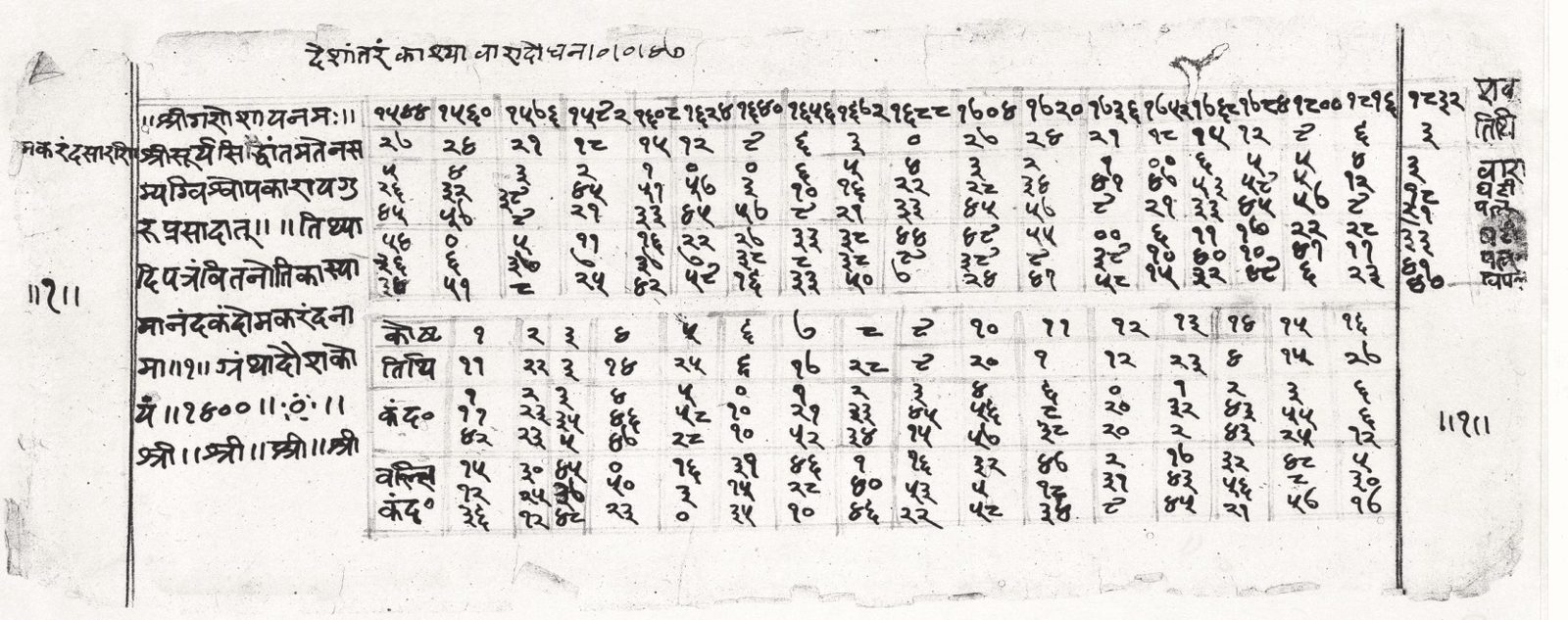
The day that happens twice
A lunar day long enough to catch two sunrises has its number printed on two dates. One October case worked from the sheets, and what a house does about it.
almanac
The day that happens twice
A lunar day long enough to catch two sunrises has its number printed on two dates. One October case worked from the sheets, and what a house does about it.
 almanac
The day that never happens
Some lunar days start after one sunrise and finish before the next, so no date takes their name. What a household does when its date goes missing.
almanac
The day that never happens
Some lunar days start after one sunrise and finish before the next, so no date takes their name. What a household does when its date goes missing.
 almanac
Ekadashi, and why two dates circulate
Two households keep the same fast a day apart, and both are right. The eleventh lunar day is decided by a dawn window that two traditions measure differently.
almanac
Ekadashi, and why two dates circulate
Two households keep the same fast a day apart, and both are right. The eleventh lunar day is decided by a dawn window that two traditions measure differently.
 almanac
The fortnight for the dead
Pitru paksha runs 26 September to 10 October. The fortnight indexed by people, not events: how to find your family's day, and why the afternoon decides.
almanac
The fortnight for the dead
Pitru paksha runs 26 September to 10 October. The fortnight indexed by people, not events: how to find your family's day, and why the afternoon decides.