The kundli in the locker
The birth chart your family had made for you is an object before it is a doctrine: who commissioned it, where it is kept, and how to ask to see your own.
Two ways in. The gist assumes you have never met any of this before.
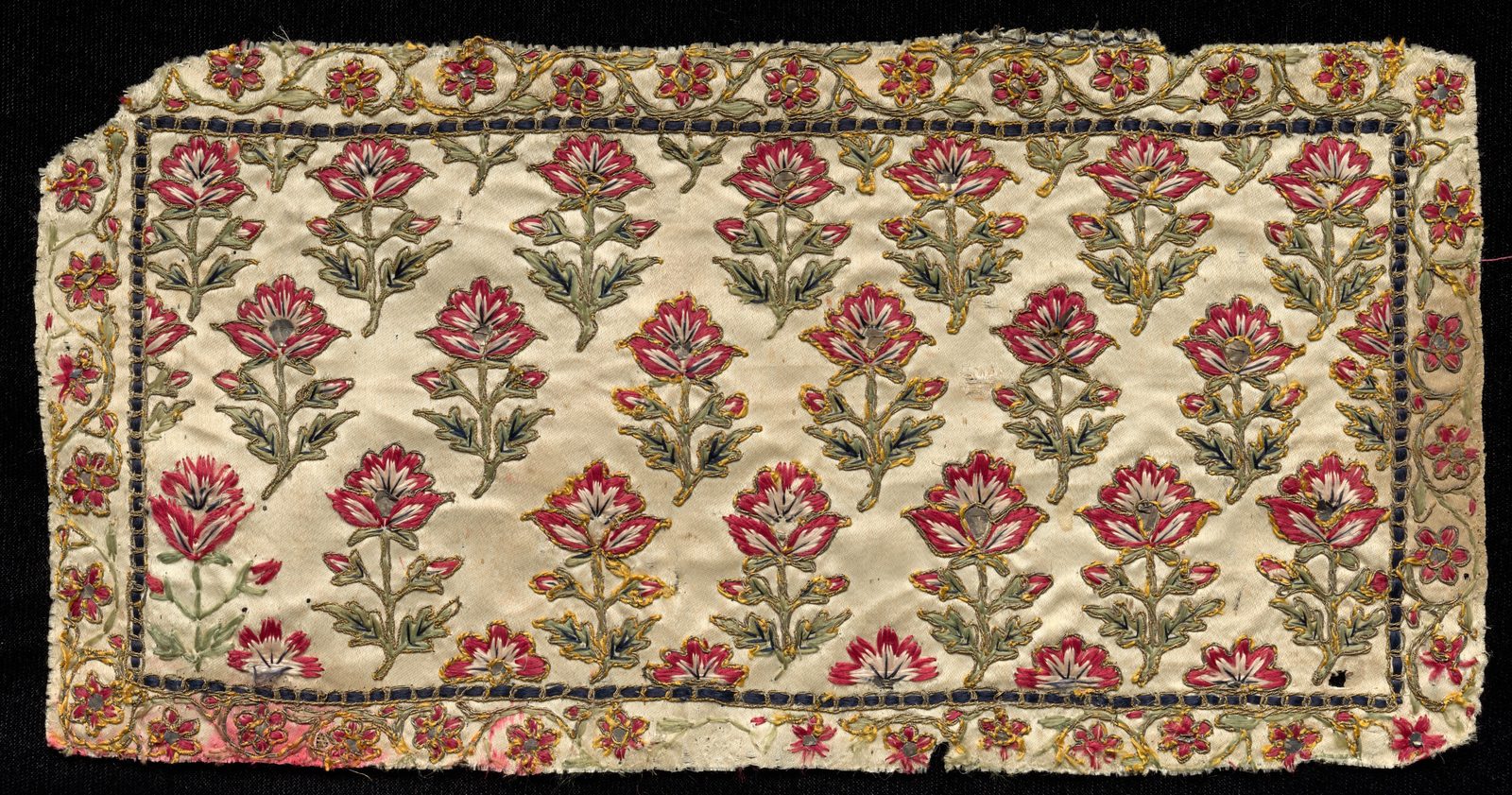
The kundli (kuṇḍalī, कुंडली) is the birth chart your family had drawn up for you, usually within a few weeks of your arrival, and asking to see your own takes four seconds and about three weeks to work up to. You wait until the plates are cleared and the evening has gone loose, and then you say it. I want to see my kundli.
In a house like this one, watch what happens next. Your mother puts down the cloth she is holding. Somebody turns the television down in the next room without being asked. Your father wants to know which one, yours or the one they had done for your sister. Then the room stops talking about you altogether and starts talking about where the thing is: in the almirah, or gone to the bank with the property papers, and who has the second key.
Four seconds, and it is a family project.
So it is worth knowing what you are asking for. The object is plainer than the arguments that stand around it.
It is smaller than people expect. A roll of paper about as long as your forearm, tied with a cotton thread gone the colour of weak tea. Or a stitched booklet the size of a passport, in a cloth cover, with a rubber band around it that will snap on the day it is finally opened. Or, in newer households, six printed sheets in a plastic folder from the shop near the hospital.
This is the kundli (kuṇḍalī, कुंडली), also called the janma patrika (janma patrikā, जन्मपत्रिका): the birth chart your family had drawn up for you, usually within a few weeks of your arrival.
Notice where it is kept. Not with the insurance papers and the old warranty cards. It is on the top shelf of the almirah, inside a cloth bag with the property documents. It is in the trunk under the bed, with the wedding photographs and one sari nobody wears. In a fair number of families it is in the bank locker beside the gold, and comes out about as often. Whatever shelf your household reserves for things that cannot be reissued, the kundli is on that shelf, and that placement is the first fact about it.
The second fact is who put it there.
Who made it
Somebody commissioned it in a week when the house was not sleeping. Either the astrologer came to the room and sat on the floor with his papers, or the birth details went to him by hand and the finished document came back. He worked from a panchang (pañcāṅga, पंचांग), an almanac of the sky for that year, and he did the arithmetic himself, on paper, out of printed tables. It took an evening, or several. Somebody paid for it in a year when that money was worth noticing. In plenty of houses the person who arranged the whole thing was not your mother or your father at all. It was your grandmother. She did for her son's child what had once been done for her son.
There was usually a deadline. The old household manuals, the Grihya Sutras, put the namakarana (nāmakaraṇa, नामकरण), the name-giving, on the tenth day after a birth or the twelfth, and the Puranic accounts that mention it name the tenth. Many families still work to roughly that clock. Alongside the chart, in a great many households, the astrologer handed over a syllable, taken from the star the Moon stood in that morning, and the formal name was built on that letter. If your name and your cousin's name both begin with a sound nobody in the family especially likes, this may be why.
You were 11 days old. You had no view on any of it. You could not yet focus your eyes on the man who was writing.
Whatever else that document is, and there is a long argument in this country about what else it is, it is the oldest piece of writing in the world that has you as its subject.
What is physically inside it is less mysterious than the wrapping suggests: the positions of the Sun, the Moon and the planets, worked out for one instant and one place and sorted into boxes, plus a table of periods and some standard notes. Meghnad has taken that apart properly in what a birth chart actually computes, and I am content to leave the arithmetic with him.
What interests me is the paper. These things were made to outlast the people who ordered them. One example is a Sanskrit horoscope roll copied in 1770, now kept in a university library in Philadelphia. It runs to more than 11 metres, written in black and red ink, with 29 painted figures of deities, planets and signs down its length, and yellow flowered borders in the margins. That is not a receipt. Further south the same work often went onto palm leaf, which holds up against damp and insects for anything between a few decades and about six centuries before it gives way. Somebody chose the material. Somebody expected the child to have grandchildren who would want to look.
Your family's copy is humbler than the Philadelphia roll, and it may also be the only place on earth where the hour of your birth is written down. Whether that hour can be relied on is a genuine question with a genuine answer, and Raman walks through the evening it takes in what to bring. I am after the other half of the object. Not what it proves. What it is doing in the locker.
Two things are true about that shelf, and a lot of arguments at home come from holding only one of them. The first is plain affection. A family that has a chart made for a newborn is a family taking trouble over somebody who has done nothing yet and cannot say thank you. The second is closer to fear. Within living memory in most Indian families, infants were lost. A chart drawn up in the second week is a plan filed against a future that nobody in that room could control, by people who wanted very badly for the plan to be unnecessary. Read the object that way and the parent who guards it stops looking superstitious for a moment and starts looking like somebody who was frightened and hopeful on the same afternoon, and who has kept the paperwork ever since.
None of that settles whether the claims written in it are worth anything. That argument is had elsewhere on this blog, by people better equipped to have it. You are allowed to leave the question open and still handle the object with some care.
The asking
Back to the four seconds. Ask on an ordinary evening, in a month when nothing is being decided.
Here is the difficulty, and it has almost nothing to do with astrology. If this subject has been an argument in your house for two years, then "can I see my kundli" is not a neutral sentence when it lands. A parent who has been waiting for you to agree may hear it as a sign that you finally are. A parent braced for another argument may hear it as the start of one. You mean neither, so say what you do mean, and say it first: I want to look at it because it is about me.
That is a complete reason. It does not need a position attached to it. Do not offer one, in either direction, as the price of being handed the roll. A request that comes with a promise attached is not really a request. It is a trade, and people who make that kind of trade usually regret it within the week.
Sometimes the answer is not now. A locker needs two signatures and a working Saturday. A father may want to be in the room when you open it. Somebody may simply not want to hand over the one object in the house that is entirely theirs to hand over. If the answer is no, ask once what the no is about, and then let it stand. Nothing is going anywhere. A request repeated every week stops being a request.
Then ask about the object before you ask about the contents. Who had it made. Where did he sit. Is that his handwriting or a copyist's, and is he still alive. Did your grandmother arrange it, and did she arrange one for every child or only the first. What else was happening in the house that fortnight. These are questions the person holding the document can actually answer, and answering them is a pleasure rather than an examination. The contents will arrive on their own. In most families you will not be able to stop them arriving.
When they do arrive, listen to the end of them. Listening is not agreeing. You are not obliged to deliver a verdict before the tea is cleared, and nobody can make you deliver one. If a particular sentence lands badly, and one might, you are allowed to carry it away and think about it for a year.
Ask before you photograph it, and once you have the photograph, keep it to yourself.
Then wind the thread back the way it was wound, and hand the thing to the person who keeps it. You are not taking it anywhere. The shelf is doing its job.
One small thing has changed by the end of the evening. You have finally seen the document about you, and the person who has kept it for 25 years now knows that you asked.
The chart will keep. Memory does not, and there is a second document in that room which nobody has written down at all: everything the keeper remembers about the fortnight you arrived, the weather, the room, the man on the floor with his tables. Who in your house is going to ask for that one?
Twice a week
Essays like this one, Tuesdays and Saturdays. One email per essay, and the archive is never mailed out. Subscriptions open shortly; the RSS feed is live now.
Nothing else arrives, ever.