Your festival, eight thousand kilometres later
One new moon, two evenings, two dates. Diwali 2027 falls on Friday in Delhi and Thursday in New Jersey, and neither sheet has made a mistake.
Two ways in. The gist assumes you have never met any of this before.
In 2027, Diwali falls on Friday 29 October. It also falls on Thursday 28 October.
The first date is what a panchang (pañcāṅga, पञ्चाङ्ग) computed for Delhi prints. The second is what a panchang computed for New York or New Jersey prints. Both are right. Stranger than that: the two sheets do not disagree about the sky. They are working from the same two numbers, down to the minute.
I want to take this apart slowly, because once you have watched it happen to one festival you will recognise it everywhere else. Your mother keeps the ekādaśī (एकादशी) fast, the eleventh lunar day, and keeps it the day before you do. A birthday message lands on what you are fairly sure is the wrong morning. It is the same mechanism each time, and it is not complicated.
One fact for everybody, one fact for you
Start with the part that is the same for the whole planet.
A tithi (तिथि) is one step in the moon's separation from the sun. Thirty steps make a lunar month. Most Indian observances are pinned to a tithi and not to a date. Amāvasyā (अमावस्या) is the last of the thirty, the step that ends at the instant the moon passes the sun, and Diwali is kept on the amavasya of the lunar month called Kārtika (कार्तिक), which falls in October or November.
In 2027 that step begins on Thursday 28 October at 8.47 in the evening, Delhi time. It ends the next evening at 7.05.
Those two instants are events in the solar system. They happen once, and they happen for everyone at the same moment. An astronomer writes the second one as 13:36 Greenwich time on 29 October. Every almanac on earth is working from that number, whatever city is printed on its cover.
Now read the same two instants on a clock in New Jersey. Indian clocks run nine and a half hours ahead of New York clocks in late October, so amavasya begins at 11.17 on Thursday morning and ends at 9.35 on Friday morning. Nothing has moved. It is one step of one moon, written down twice.
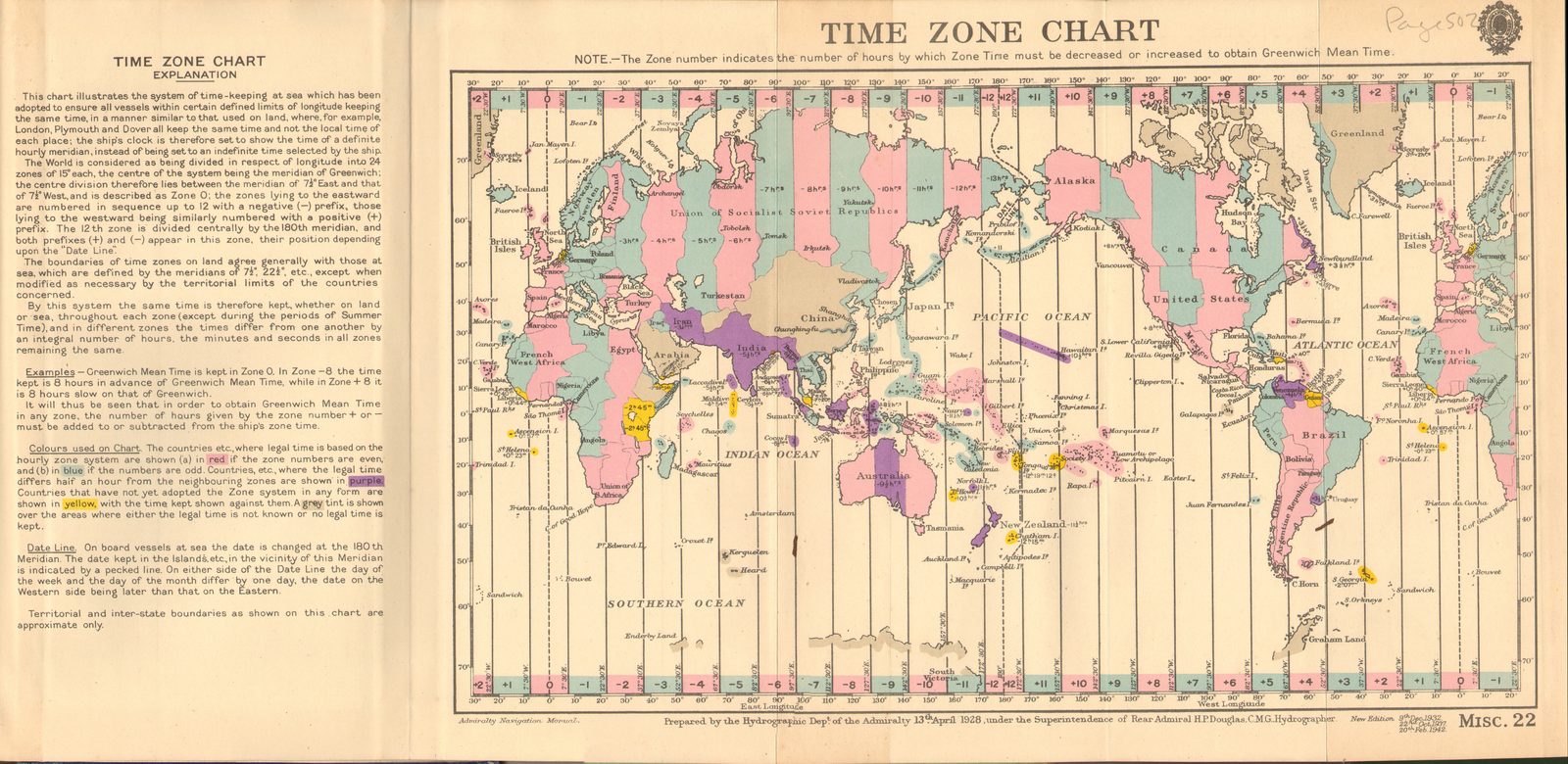
Here is the second fact, and this one is yours alone. Sunset is not a time. It is an event, and each place on the earth is handed its own. Delhi's sun goes down on both those evenings at 5.39. New Jersey's goes down just before six. The two readings look almost the same, and they are about 10 hours apart, because New Jersey sits roughly 150 degrees of longitude west of Delhi. The clocks agree. The sun does not.
Which evening had it
Nobody lights a lamp at the instant a tithi begins. The lamps are lit in the evening, and so the almanac's question is a question about an evening. The Lakshmi puja goes by pradoṣa (प्रदोष), the stretch of a couple of hours just after sunset. Traditions argue about exactly how long that stretch runs. Different observances are anchored at different parts of the day, some at sunrise, some at midday, some at midnight, and why two panchangs disagree sets out where those rules come from and why honest sheets can part company over them. None of that argument is needed here. One question is enough: on which evening was amavasya running after the sun went down?
Delhi, Thursday 28 October. The sun sets at 5.39. Amavasya does not begin until 8.47, more than three hours later, with the evening stretch long finished. Thursday evening belongs to the fourteenth tithi. Delhi's sheets mark that day as Naraka Chaturdashi.
Delhi, Friday 29 October. The sun sets at 5.39 again. Amavasya is running and will run until 7.05. This evening has it. Delhi keeps Friday.
New Jersey, Thursday 28 October. The sun sets just before six. Amavasya began at 11.17 that morning and will not finish until 9.35 the next morning. The whole evening sits inside it, with hours to spare on either side.
New Jersey, Friday 29 October. The sun sets just before six again. Amavasya has been over since before lunch. The evening belongs to the first tithi of the new fortnight.
So the American sheet keeps Thursday and the Indian sheet keeps Friday. Neither answer was close. Nobody in either city had to make a judgement call.
Look at what did not happen there. Nobody used a different method. Nobody used a different value for anything. The two sheets took the same two instants and asked the same question of them. They got different dates because they asked about different sunsets, and the tithi's boundary happened to fall inside the 10 hours that separate those sunsets.
That is the whole mechanism. A tithi is a global fact. The moment you anchor it to is a local one. When the two are far enough apart, one household's evening catches the tithi and the other's misses it, and both households are keeping the festival correctly.
What it does to a week
A day of difference does not stay politely inside one day.
In Delhi, Naraka Chaturdashi falls on Thursday and the lamps go up on Friday. Two days, one after the other, the way the week has always run at home. In New Jersey, Naraka Chaturdashi also falls on Thursday, because the fourteenth tithi is still running there through the morning. So the fourteenth's morning and the new moon's evening arrive on one calendar day. That day is doing the work of two.
Then the rest of the week slides with it. Govardhan Puja, which comes the morning after the lamps, is the Friday in New Jersey and the Saturday in Delhi. Your mother lights her lamps at 5.39 on Friday evening in Delhi. For you, that same moment is ten past eight on Friday morning, the morning after your own Diwali evening. If the two of you compare photographs, hers will look late and yours will look early, and both cameras are telling the truth.
The size of the gap even changes from year to year, because American clocks go back on the first Sunday in November, a rule fixed by a 2005 law. In 2027 that Sunday is the 7th, after Diwali, so the gap through the festival is nine and a half hours. In 2026 the change falls on 1 November and Diwali on the 8th, so that year the gap is ten and a half. Often enough, one of the two countries shifts its clocks within a fortnight of the festival, and it is never India.
None of this is new, and your household is not the first to notice it. American panchang makers have been publishing separate festival dates for North America for years, and they say plainly on their own pages that a calendar computed in India cannot simply be used everywhere.
That brings me to the conventions, which deserve more respect than they usually get. Your temple may hold its public celebration on the Saturday, because that is the evening people can actually come. Your family may keep Delhi's date so that the calls and the photographs land together. A committee may sit down, look at both sheets, and pick one for the whole congregation so that nobody arrives to a locked hall. Each of those is a real decision about time, taken by people who know there are two candidates and have chosen between them. What is worth avoiding is the third case: keeping a date you never chose, because a setting somewhere was left as it came.
That setting is usually in your phone. Every panchang app has a city in it. It was fixed once, when the app was installed, and it is often the city somebody was born in, or the city of the relative who recommended the app, or whatever the app guessed on the day. Go and find it. If it says Delhi and you live in Edison, your app is giving you Delhi's evenings. That is a fine thing to want, as long as you chose it on purpose.
If you would rather check by hand, the whole test is two lines long. Read the tithi's start and end times in your own time zone, not in Indian Standard Time. Then ask whether it was still running when your own sun went down. If your observance is one of the sunrise-anchored ones instead, which day is your fast, actually works that rule through on real sheets, and the only change you need to make is to use your sunrise rather than the one on the cover.
This year, write both dates on the kitchen calendar and put a city beside each. Then, on your own Diwali evening, ring home at nine. The call reaches Delhi at half past six the next morning, which is about the minute the sun comes up on theirs.
Twice a week
Essays like this one, Tuesdays and Saturdays. One email per essay, and the archive is never mailed out. Subscriptions open shortly; the RSS feed is live now.
Nothing else arrives, ever.