The question you have been avoiding
He booked the reading to ask about a plot of land. Eleven minutes in, the word he keeps repeating is brother. On the questions a room surfaces.
Two ways in. The gist assumes you have never met any of this before.
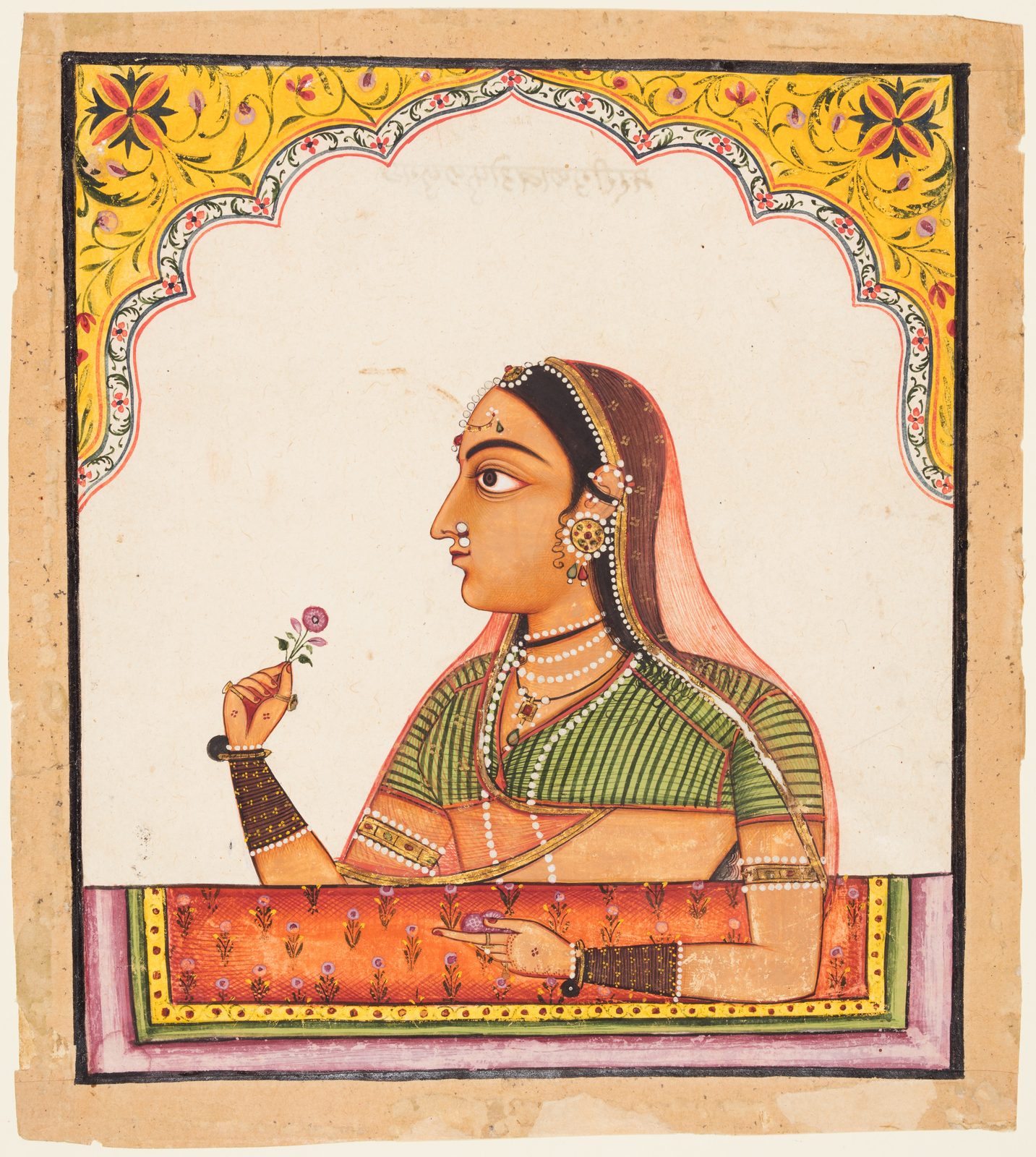
The booking says property. In the small box marked what would you like to discuss, he has typed one line: whether to sell ancestral land in the district, and if so, when. It is a clean question, better framed than most. For the first 11 minutes of the hour, it is honestly what the hour is about.
Before the 11th minute arrives, one interruption I owe you. None of this happened. I am describing an invented man, assembled out of a situation common enough that you have probably watched some version of it inside your own family, and I would rather say so at the top than have you wonder.
He is 53. The land is a few acres outside the town his parents left in the nineties, and it has been sitting there doing nothing except rising in value while a road comes closer. There is a buyer. There are cousins with opinions. There is a figure a neighbour got last year that everyone in the family can recite. All of this he lays out clearly, in order, the way a person lays out something he has rehearsed in the car.
Somewhere in the middle of it, a clause goes past without stopping: my brother has been handling it since my father died. Flat, no weight on it. Three minutes later, in an unrelated bit about paperwork: my brother will do all that, he handles all that. And once more before the 11th minute, in a tone that is very slightly different from the one he has been using, though he does not appear to hear it himself.
Now, the chart does keep a place for land and a place for brothers, and on the page they sit near each other. That is a real feature of the method and it would be dishonest to pretend it is irrelevant. But it is also not what is happening here, and it is worth being precise about what a chart is doing at this moment, which is what Meghnad means when he says the thing computes coordinates and clock time and stops there. No arrangement of houses knows that this man's voice changed. What happened in those 11 minutes was not astrological. He said brother three times while ostensibly describing a plot of land, and if you stopped him and asked what he had come to ask, he would tell you, with complete sincerity, that he had come to ask whether to sell.
Why does the room do this? Three unglamorous reasons, none of them mystical.
The first is the stranger. You can say a thing to someone with no stake in it that you cannot say to anyone who will have to go on living with the consequences of having heard it. Tell your wife you think your brother has been taking more than his share and you have not made an observation, you have started something, and it will be at the table at dinner and at the wedding in January. The astrologer will not be at the wedding. That is not a small feature. It is most of the value.
The second is the seriousness of the format. For one hour, somebody asks you questions about your life in a serious voice and waits for the answers. Almost nobody does that. Friends ask about work. Family has already settled on a theory about you, usually formed when you were 19, and asks questions designed to confirm it. An hour of undivided attention is rare enough that people will pay for it and then tell themselves they paid for something else.
The third is the excuse, and it is the one that actually explains the man with the land. You cannot book an appointment to say: I think my brother has been quietly helping himself for 11 years, and I do not want to be the person who says so out loud, and I have not wanted to be that person since 2015. There is no form for that. There is no small box you can type it into. But there is a form for property, and property is a legitimate thing to consult about, and the consultation happens to take place in a private room with someone who will not repeat it. The chart is the permission slip. The reading is the pretext that finally gets the sentence into open air.
The tradition noticed this a long time ago, in its own vocabulary. Praśna (प्रश्न), the branch in which a chart is cast for the moment a question is asked rather than the moment a person was born, rests on the idea that the asking is itself an event worth recording. And Prasna Marga, the horary manual composed in Kerala in the seventeenth century, gives real attention to what the querent does on arriving: the first syllable he utters, what he is carrying, how he stands, what was met on the road. Make of the doctrine what you will. The underlying observation is old and correct. How a person asks carries information that the question itself is busy concealing.
So: what do you do when it surfaces in the middle of your own hour?
Notice it first, which is harder than it sounds, because the tell is usually physical rather than verbal. A name repeated more than the story requires. A change in your own voice that you hear a half-second late. The word anyway, which is almost always the sound of someone steering.
Then say it, badly, in whatever words are lying around. I think I'm actually asking about my brother. That sentence, spoken poorly, is worth more than the remaining forty minutes of expert commentary, and it costs nothing, and the awkwardness of it lasts about four seconds.
After that, the remaining time should be spent on purpose rather than by drift. You may want to give it to the question that just arrived. You may want to go back to the land, having privately noted that the land was never the point. Both are legitimate. What is not legitimate is the hour sliding back to the safe topic because the safe topic is what you booked. You paid for the time, not the subject line.
Watch, too, what the person across from you does with it. A good one puts the chart down. They will let you re-ask, and they will not be in a hurry, and they will not perform surprise. If instead you get steered firmly back to the property because property is what was on the form, you have learned something about that practitioner which no amount of accuracy would have told you.
One caution, said plainly. The person across the table is not trained for what you have just opened, and the honest ones will tell you so within a minute. A consulting room is good at getting a sentence out of a person. It is not equipped for everything that sentence drags behind it, and mistaking one for the other has hurt people. What surfaces will still need work afterwards, with somebody qualified, or with the brother, or with both. If the new question is one you intend to act on, the framing from bring a decision, not a fear applies to it exactly as it applied to the old one: it becomes workable when it grows a when and an or.
The man came in to ask whether to sell. He will drive home holding something considerably heavier, which is whether he is willing, at 53, to find out what his brother says when the thing is put to him directly. And whether he can live in the family that exists on the far side of the asking.
Nobody answered that for him. The chart certainly did not. But he has it in words now, and he did not have it in words at eleven that morning, and words are the only form of a thing that can be carried to another person.
Twice a week
Essays like this one, Tuesdays and Saturdays. One email per essay, and the archive is never mailed out. Subscriptions open shortly; the RSS feed is live now.
Nothing else arrives, ever.