Bring a decision, not a fear
One person asks whether something bad is coming. Another has to answer an offer letter by June. Only the second is a question a chart can work on.
Two ways in. The gist assumes you have never met any of this before.
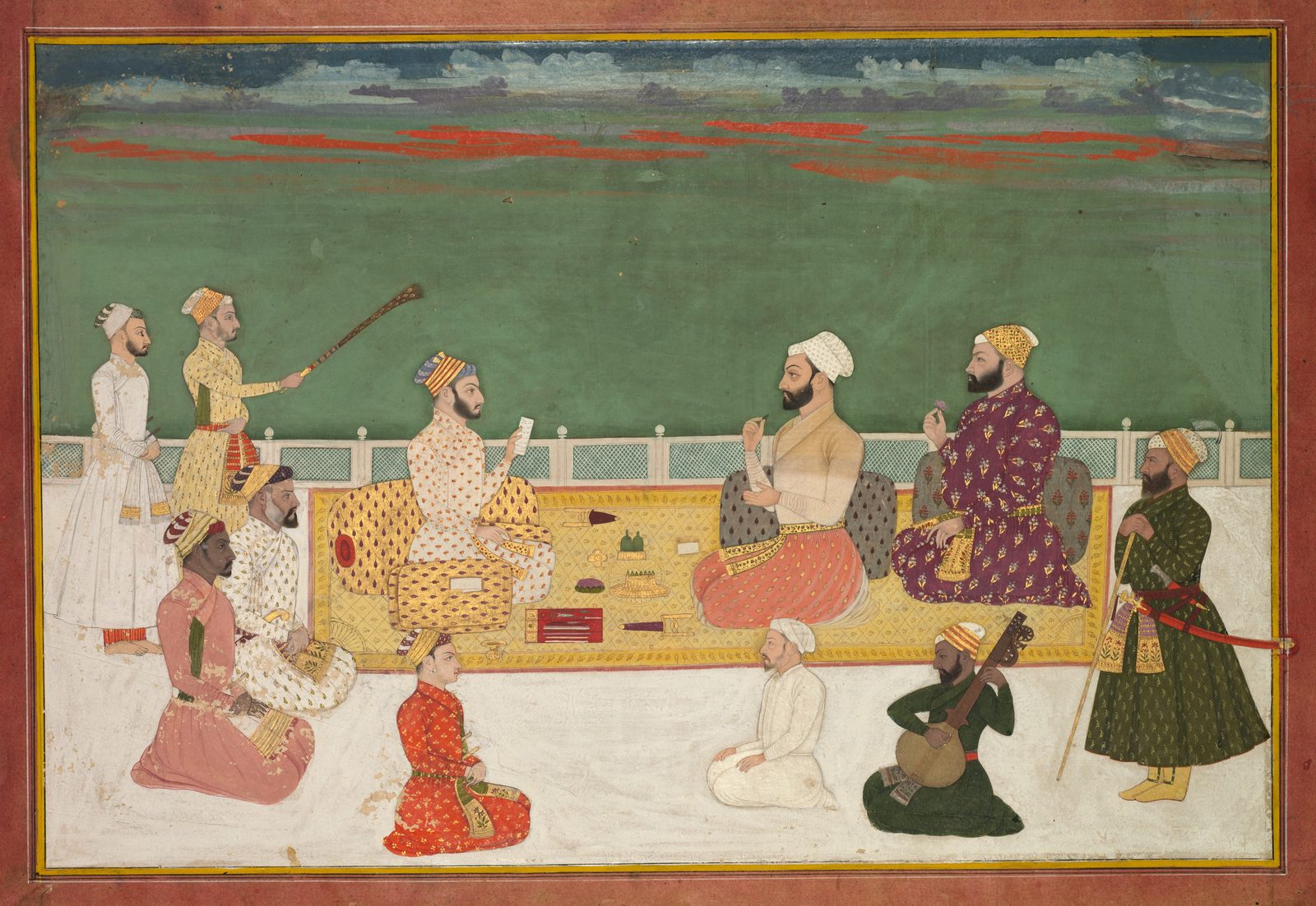
People carry two different things into a consultation, a fear or a decision, and only one of them is a thing an hour can work on. Two people can book the same hour with the same astrologer, hand over the same three items of birth data, and walk out with entirely different things. The difference is usually settled before either of them has finished a sentence. It lies in the shape of what they came to ask, and not in the chart at all.
One of them asks: is something bad going to happen to me. The other says: I have to give an answer to this by the first week of June, and I have stopped being able to think about it clearly.
The first is a fear. The second is a decision. They look like cousins (both concern the future, both are anxious, both are entirely honest) and inside a consultation they behave nothing alike.
A fear has no edges. No deadline, no options, no unit of measurement, and no answer that would settle it, because whatever reassurance arrives can only cover the disaster you happened to picture. Suppose the answer comes back kind. You feel lighter for four days. Then your mind produces a version of the trouble you had not thought to name, which the kind answer did not cover, and you are exactly where you began with less money in your account. A fear is not really a question. It is a condition that has learned to speak in question form, because that is the only way to get it out of the mouth.
A decision has edges built into it. Two options, occasionally three. A date after which the world will decide on your behalf if you don't. And underneath, a trade: something gained, paid for with something given up. Whatever else is true of a decision, it can be worked on. Its parts can be named and set in order, and an hour is enough time to do that if the hour is spent well.
Take a case, invented but ordinary. You have the offer letter open in one tab.
It has been open for nine days. You have read the compensation section so many times that the numbers have stopped carrying meaning, which is what numbers do when you stare at them instead of thinking with them. You have not told your parents. You told one friend, who said congratulations, which was the wrong response, though there was no way for her to know that. The company wants an answer in the first week of June. Everything about the letter is good. You have not slept properly since it arrived, and you would like someone to explain to you why.
Here is one thing you could do with that. You could book a reading and ask whether this is a good period for you. You could ask whether Saturn is hard on you at the moment. You could ask whether something in the chart explains why nothing has felt right for a year. All three are askable, and all three will produce an answer of some kind. None of them touches the letter.
Here is the other thing you could do, before booking anything at all. Sit down with a piece of paper and finish two sentences. If I take it, I gain ____ and I lose ____. If I stay, I gain ____ and I lose ____.
The first is easy to fill. More money. A title that changes what strangers assume about you. A city where things happen at a speed yours does not. And against it: the twenty-minute drive to your father's house, which has mattered rather more since the year he has had; four people who make Sundays bearable; the plain fact that where you work now, you already know exactly where you stand.
The second sentence is the same list, turned over.
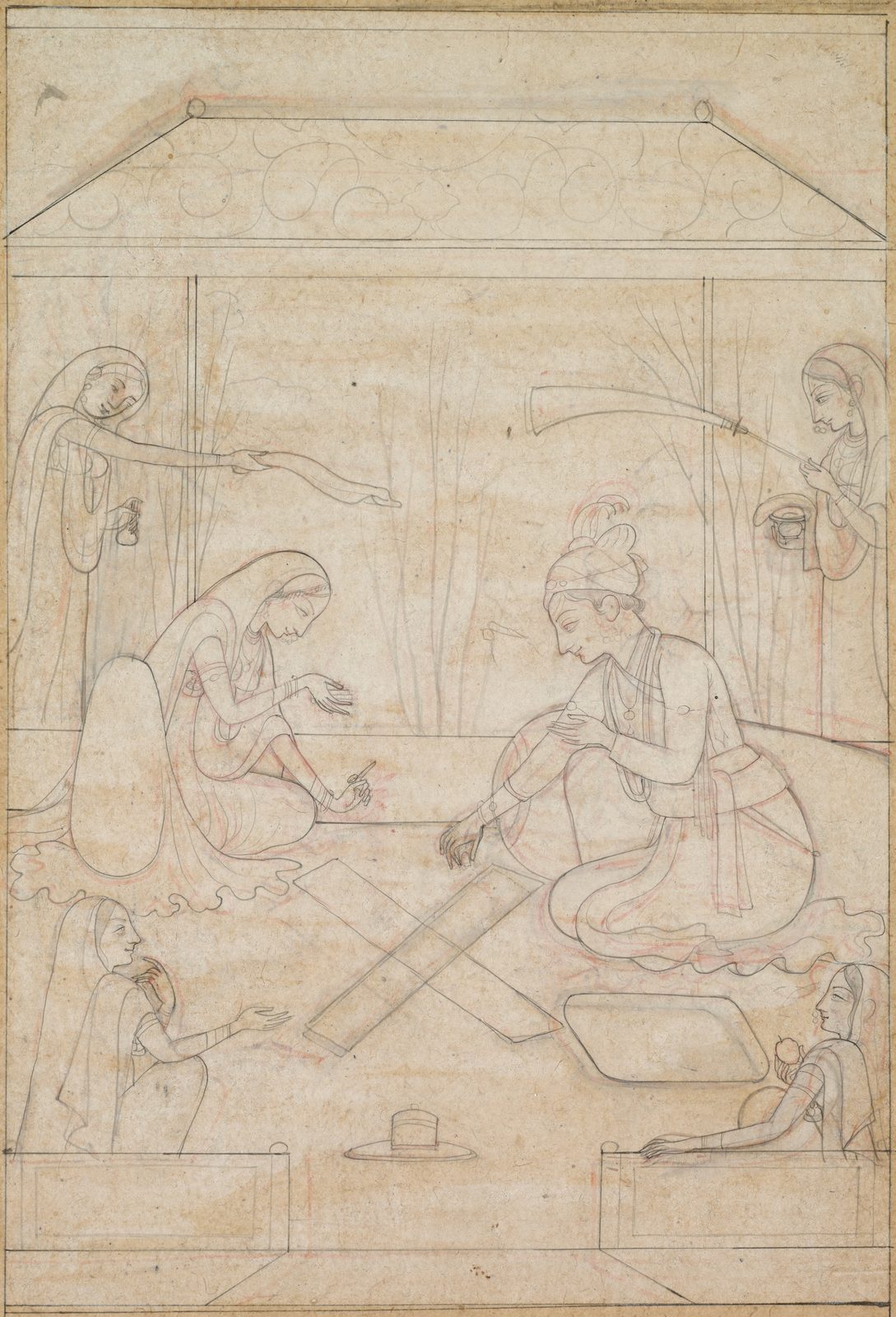
That is the whole problem, written out. It took nine minutes rather than nine days. And what becomes visible, once it is on paper, is that the question was never whether the offer is good. The offer is good. The question is which loss you are able to carry, which is a different question, and a much harder one, and not one that anybody else can answer on your behalf.
Now take the paper into the room.
Given a decision, a competent astrologer does something that looks unremarkable from the outside: they ask what the two options are before they look at anything. Then the chart gets to be what it is genuinely good at being, which is a structure laid over a mess. The periods running across your next two years have names and boundaries, and they are computed from where the moon stood at your birth by a fixed rule, not intuited on the day. A daśā (दशा) is arithmetic before it is anything else. What a reading can offer is a description of the kind of stretch you appear to be standing in (whether it looks like a stretch that rewards consolidating what you have or one that rewards putting weight on something new) and then a slow, specific conversation about which of your two lists that pressure falls on hardest.
What it cannot do is tell you to take the job.
If it does tell you, you have been handed something you did not come for and that nobody has the standing to give. Advice that removes the choice is not a service. It is a transfer of responsibility, and the transfer runs one way: from the person who will live inside the outcome to the person who will not.
A decision-shaped consultation has a particular feel to it. You talk more than you expected to. Somewhere in the middle you say the thing about your father out loud, to a stranger, in a normal tone of voice, and hear how it sounds outside your head. The astrologer says less than you assumed they would, and most of what they say is a question. When it ends, both options are still on the table. Nothing has been lifted off you. But the trade-off has a name now, and named things can be argued with, slept on, discussed with your father.
The fear-shaped hour feels different, and it is also, not coincidentally, the easiest thing in the world to sell to, which is a business model rather than a doctrine, and it has already been laid out here in the field guide to sade sati; I am not going to walk that ground again.
What I would rather leave you with is the conversion, because most fears can be converted, and the converting is work you can do alone, for free, the night before.
Will I ever get married becomes: I am deciding whether to give this another year on my own terms or hand the search to my family in September. Is my career finished becomes: I am choosing between two more years here for the title and leaving in six months for the smaller firm. Is my mother going to be all right does not convert, and should not be taken to an astrologer at all; it belongs to her doctors and to you. Should I buy this flat is already halfway there, and gets the rest of the way when you say what the alternative use of the money is, because there is always an alternative use of the money, and pretending otherwise is how people end up with flats they resent.
The test is simple enough to apply in your own kitchen. A chart can give structure to a question with a when in it and an or in it. Strip out either one and you are no longer asking; you are looking for company.
None of this makes the choosing easy. The letter is still open in the tab. What you have, if you do the work, is a trade-off with a name on it: a title and a salary and a city, bought with the twenty-minute drive. A price, stated in the two currencies you actually spend.
So: if you told your father tonight that you were fine with it either way, which half of that sentence would be the lie?
Twice a week
Essays like this one, Tuesdays and Saturdays. One email per essay, and the archive is never mailed out. Subscriptions open shortly; the RSS feed is live now.
Nothing else arrives, ever.