The sun-sign column
A newspaper page in 1930, twelve boxes that took seven years to settle, and what a daily sun sign replaced in a country that reads the moon first.
Two ways in. The gist assumes you have never met any of this before.
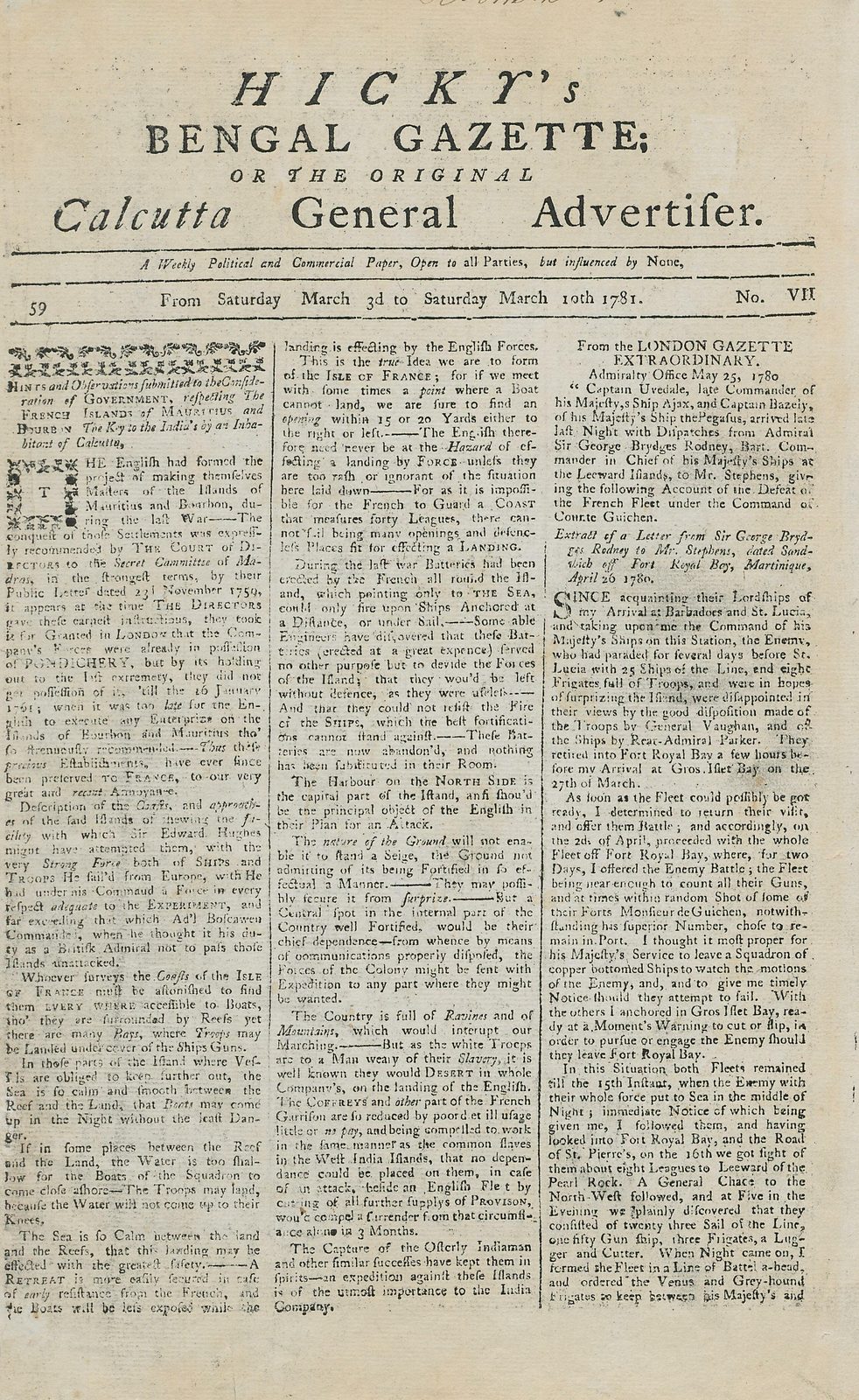
The sun-sign column, twelve boxes of forecast sorted by date of birth, was not handed down by any tradition. British newspaper editors arrived at it between 1930 and about 1940, on a page that had space to fill, by keeping whatever readers would put up with.
It starts on page eleven of the Sunday Express of Sunday, 24 August 1930, most of which belongs to a baby three days old. The headline reads "What The Stars Foretell For The New Princess". Under it run three columns of type and a chart of the sky as it stood when Princess Margaret was born.
Above the article the editors set a short introduction, and the introduction is the part worth noticing. It explains, for a reader who might not know, that a horoscope is an observation of the heavens at the hour of a person's birth. A national Sunday paper did not assume its readers knew.
Then there is the back half of the piece, which nobody remembers. After the material on the princess, it gave general forecasts sorted by the reader's date of birth. The following Sunday, on page seven, the paper ran a second piece addressed to people born in September.
The man who wrote it was R. H. Naylor. The editor, John Gordon, had wanted Cheiro, the best known British astrologer of the day. Cheiro was unavailable and Naylor was his assistant, so the work went to him. The shape that popular astrology has held for most of a century was set by a stand-in.
The prediction everybody repeats
What made the column permanent was an airship.
The story as it is usually told takes one sentence: Naylor predicted the R101 disaster, and the paper hired him on the strength of it. The archive makes it longer.
The R101 came down near Beauvais in northern France in the early hours of 5 October 1930 and burned. Forty-eight of the fifty-four people aboard died. Geoffrey Dean and Rudolf Smit, who went through the issues page by page, place Naylor's warning about British aircraft on page twenty-one of the Sunday Express of that same date, and record that it named a window of 8 to 15 October.
Read the dates in the order they happened. The airship fell before the window opened, on the morning the window was printed. A week later Naylor explained his method to readers: when a new or full moon falls at a certain angle to Uranus, aircraft accidents and electrical storms follow. I am paraphrasing him, not quoting.
Accounts still disagree about when that warning ran, and some put it in September. The effect is not in dispute. Gordon gave Naylor a weekly column, it became the first regular astrology column in a British newspaper, and other papers built their own.
Whether he was lucky does not interest me. What the paper learned does. It learned that astrology sells copies, and that nobody comes back to check the page.
The column that came out of that is still not the column you know. For years it mixed forecasts by birth date with predictions about world events and a section of tendencies for everybody. In The People, from October 1933, Edward Lyndoe ran a rival feature split roughly between politics, birth dates and signs. Lyndoe put the sign names in during May 1935 and took them out again soon after, which suggests his readers were not yet comfortable with the words. Naylor reached a twelve-sign arrangement he called "Your Stars" by 1937. By about 1940 the names were ordinary.
So the twelve boxes were not designed. They were settled on, over roughly seven years, by editors watching what readers would accept.
Why twelve, and why the sun? Because a printed page is one size and is read by everybody who buys the paper. The only fact about a stranger that a page can use is one the stranger already knows without help, and for practical purposes that is the date of birth. The sun's sign follows from the date alone. Twelve paragraphs is about as personal as one sheet can get.
Who is paying
Follow the incentive, and notice that it has changed hands.
In everything else I have written in this series, the person being read pays the person reading. A newspaper column breaks that. The reader pays nothing, the astrologer is staff, and the money arrives from circulation and advertising, which reward the habit of coming back next week.
Consider what that does to the writing. A consultation can end badly: the client says that was wrong and does not come back. A column cannot fail that way, because nothing in it was addressed to a particular person and there is nothing to check. It has one job, which is to be read again.
The habit spread quickly. Dean and Smit put the first American column in the Boston Record in 1931, about one paper in five in the United States carrying astrology by 1941, and roughly 1,250 of the 1,500 American papers running a daily column by 1975. In Britain, a Mass-Observation survey in 1941 found that close to two thirds of adults looked at some astrological feature more or less regularly. Inside about ten years a page filler had become something most of a country read.
Arriving in India
Here I have to be plain about a gap. I cannot tell you which Indian newspaper ran the first twelve-box column, or in what year. The sources that would settle it are bound volumes and subscription archives I have not read, and I am not going to date a thing I have not seen.
What can be established is what the format arrived beside, which is the more useful half anyway.
Printed sky-information in India is older than the column and a different article altogether. The Bengali pañjikā (पञ्जिका), the printed almanac, went into press in Kolkata in 1869 and has appeared every year since. Astrological journalism in English began here in 1895, when B. Suryanarain Rao founded The Astrological Magazine; B. V. Raman revived it in 1936 and edited it for decades. Almanacs are still the larger product by a distance. Kalnirnay, started in 1973 and now printed in nine languages, is said by its publisher to sell around nineteen million copies a year, a figure from the company rather than from any audit I have seen.
Now hold the two things side by side, because the difference is the whole argument. An almanac page tells you about the day. Everybody who opens it reads the same line: the same lunar day, the same star, the same hours. Nothing on it is addressed to you. To get something addressed to you, you had to carry your birth details to a person who would do the arithmetic, and pay them for it.
The column reverses both halves. It is addressed to you, or to a twelfth of you. It costs nothing. And it arrives whether or not you asked.
And it arrived carrying a label Indian households do not actually use. Ask an Indian family what somebody's sign is and the traditional answer is not the sun's. It is the janma rāśi (जन्म राशि), the sign the moon stood in at birth, and behind that the nakṣatra (नक्षत्र), the birth star. In much of the country the syllable a child's name begins with is taken from the quarter of that star. So a family's traditional label for a person is one slot out of a hundred and eight, the twenty-seven birth stars each cut into four, fixed by where the moon stood at birth and often built into the person's own name. The newspaper's label is one slot out of twelve, fixed by the sun and read off a date.
The market has not forgotten the difference. Drik Panchang, whose tables many Indian matching reports follow, says on its page of sign-by-sign predictions that this tradition weights the moon sign above the sun sign, and offers to find your rashi from your birth time or your name.
There is a further wrinkle, and it belongs to computed-sky rather than to me: the paper's twelve signs and the ones used at home are usually not even the same sign, for reasons Meghnad works through in why your moon sign changes between apps.
The sun's sign was never missing here, either. It runs the solar calendar. Saṅkrānti (संक्रांति) is the sun's crossing from one sign into the next, and Makar Sankranti is the best known of the twelve crossings. But that names a passage in the year. It does not name a person. Decades of newsprint have taught a great many Indians to answer a question about themselves with a word their own tradition keeps for a date.
I want to be careful with the word displaced. The family astrologer did not disappear, and the panjika did not stop selling. What went was smaller and harder to see: the answer a person gives when asked what their sign is. That answer used to come out of a household record and name a star. For a great many people it now comes out of a table of date ranges.
What the format does now that it has left print is Dhruv's subject, and he has taken the sign on a dating profile apart in the sign in your bio. The printed version is the one I would keep an eye on, because that is where the terms were agreed.
Nobody in this story set out to name anybody. An editor had a page to fill in 1930, a printer had a column width, and the smallest unit either of them could address turned out to be one twelfth of the readership. That is the whole authority behind the word.
Twice a week
Essays like this one, Tuesdays and Saturdays. One email per essay, and the archive is never mailed out. Subscriptions open shortly; the RSS feed is live now.
Nothing else arrives, ever.